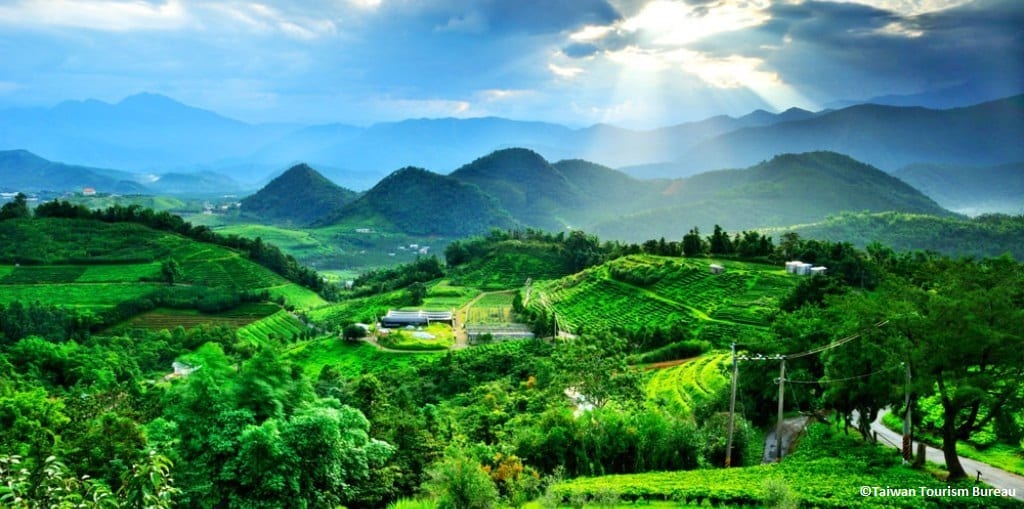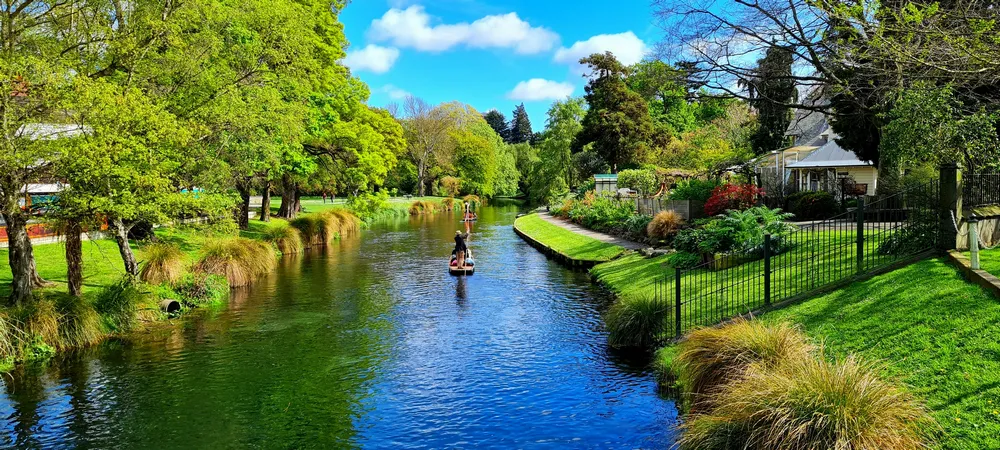


Going to New Zealand on a Working Holiday Visa is one of the options that quickly comes up when you start considering going abroad. Not just to "tick a box," but because the country promises something different: more space, more nature, and a much more flexible approach to work.
The Working Holiday Visa (WHV) allows you to experience this without pressure. Work to finance your trip. Travel whenever you want. Take the time to discover a country, its landscapes, and its way of life.
If you're still hesitating between several destinations, that's perfectly normal. Each country has its advantages… and its limitations. Here, we'll explain in concrete terms why going to New Zealand on a Working Holiday Visa appeals to so many travelers, and above all, whether this choice truly aligns with your plans.
The Working Holiday Visa in New Zealand is aimed at a wide variety of profiles.
| Your situation | Why the Working Holiday Visa in New Zealand is suitable |
|---|---|
| First Working Holiday Visa abroad | Simple procedures, accessible visa and reassuring framework for a first departure |
| Need to work to finance the stay | The job market is open to Working Holiday Visa holders, without sponsorship before arrival |
| Objective: to improve one's English | Daily immersion, accessible accent and English-speaking environment |
| Want to travel without a fixed itinerary? | Opportunity to alternate work and travel throughout the Working Holiday Visa |
| Interest in van life | Suitable infrastructure, reasonable distances, and a road trip culture |
| Travel alone or as a couple | Easy integration, strong international community and secure environment |
This flexibility explains why many travellers choose to go to New Zealand on a Working Holiday Visa, regardless of their profile .
When you start thinking about going to New Zealand on a Working Holiday Visa , the first question that almost always comes up is the same: are the procedures complicated?
Good news: the New Zealand Working Holiday Visa is one of the easiest visas to obtain . There are no restrictive quotas for Belgians or other European citizens . This means that the number of visas available is not limited each year , unlike in some other countries.
The application is completed entirely online, via the official New Zealand immigration website . Once the application is complete (valid passport, proof of funds, insurance, etc.), the response usually arrives quickly, sometimes in just a few days .
When considering a Working Holiday Visa trip to New Zealand , the question of employment arises very quickly. And that's perfectly normal. Being able to earn money while there directly impacts the length of your stay, your standard of living, and your freedom to travel . In this respect, New Zealand is clearly one of the most accessible destinations for a Working Holiday Visa.
New Zealand is used to working holiday visa holders . Employers know you're there for a limited time and often look for flexible staff, especially in sectors with constant demand.
In practice, it is common to find a first job in fields such as:
On local platforms like SEEK , Indeed New Zealand or Trade Me Jobs thousands of active offers every day , a large part of which are compatible with a Working Holiday Visa .
In addition to this, there are "on-the-job" recruitment opportunities . In many regions, it's still common to find employment by simply showing up with a CV . This significantly expands opportunities once you arrive in New Zealand.

Before going any further, it's important to clarify: the first two reasons are deliberately practical and structural . Before envisioning yourself in a country, its landscapes, or its way of life, you must first determine if the project is realistic : is a visa readily available? Can you work and finance your life there?
In New Zealand, these foundations are solid. This allows you to fully enjoy the experience without unnecessary stress. Once these aspects are secure, other reasons come into play. They are often more personal, more emotional, and just as decisive in the decision to go to New Zealand on a Working Holiday Visa .
Once the practical aspects are secured, another key question arises when leaving for New Zealand on a Working Holiday Visa : what will daily life be like? This is often where New Zealand makes the difference.
When choosing to go to New Zealand on a Working Holiday Visa , the change in pace of life is often one of the first things that strikes you. And it's not just a feeling: New Zealand is regularly cited as one of the countries offering the best work-life balance in the world.
By 2025, the country had risen to the top of several international work-life balance , thanks in particular to very concrete criteria:
In practice, this translates into better-structured days, more reasonable hours, and less pressure related to overtime. On a Working Holiday Visa, this difference is felt very quickly. You work to finance your stay, but work doesn't take over everything . There's still time to enjoy the outdoors, relax, travel, or simply slow down.
The quality of life in New Zealand also stems from a very tangible element: nature is never far away , even in urban areas. The country has chosen to preserve vast natural spaces and make them accessible, including around major cities.
In Auckland, Wellington , or Christchurch , it's common to be within 15 to 20 minutes of a beach, nature park, or hiking trail. New Zealand has over 30% of its territory designated as national parks or protected areas , which explains this constant proximity to nature.
In practice, this directly influences lifestyle. Outdoor activities are part of everyday life: walking, surfing, cycling, hiking, swimming… often without any particular cost or complicated organization. After work, many locals prefer these moments outdoors to indoor or very urban activities.
Another factor that significantly improves daily life when you decide to go to New Zealand on a Working Holiday Visa is the time saved on travel . Compared to many major European cities, traffic is generally smoother and distances are more reasonable.
In the country's major cities, commute times are on average significantly shorter than those observed in many European capitals . Even in Auckland , often cited as the most congested city in the country, journeys are generally shorter and more predictable than in Brussels, Paris, or London.
In practical terms, this means less time spent commuting, less accumulated fatigue, and more free time . On a Working Holiday Visa, this difference is quickly felt: you can work without feeling like your entire day is taken up by travel, and more easily enjoy the end of the day or weekends.
When considering a Working Holiday Visa trip to New Zealand , safety is a major concern, especially for a stay of several months away from home. In this respect, New Zealand is clearly one of the safest destinations in the world.
According to the Global Peace Index 2025 , published by the Institute for Economics & Peace, New Zealand ranks as the 3rd most peaceful country in the world out of 163 countries studied . This ranking is based on concrete criteria such as crime rates, social stability, the absence of armed conflict, and the degree of militarization.
In practical terms, this translates into a high sense of security on a daily basis . Violence is relatively rare, residential areas are quiet, and it's common to walk around alone, even in the evening, without any particular worries. This peaceful atmosphere is often cited by Working Holiday Visa holders as a key factor in their well-being while there.
When you decide to go to New Zealand on a Working Holiday Visa , English is almost always part of the experience, even if it's not the initial primary goal. And that's precisely what makes learning it so effective: it happens naturally, without pressure , as part of everyday life.
The English spoken in New Zealand is often considered clearer and more accessible than in other English-speaking countries. For many Belgian Working Holiday Visa holders, this makes initial interactions easier, whether at work, in shared accommodation, or during everyday administrative tasks. Understanding becomes easier, people feel more confident speaking faster, and the language barrier gradually disappears.
Progress is made primarily through immersion . Working, looking for accommodation, shopping, meeting other travelers or locals: English quickly becomes essential. Even with an intermediate (or even basic) level, progress is visible in a few weeks, simply because the language is used constantly.
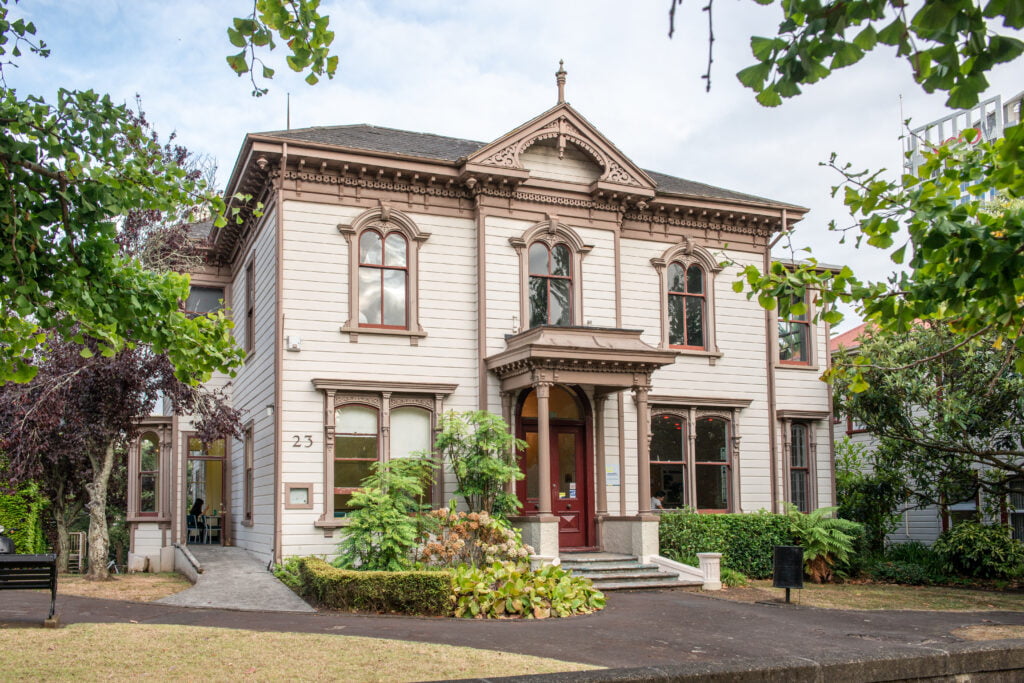
For those who choose to go to New Zealand on a Working Holiday Visa , language schools represent an excellent option to improve their English without turning their stay into a restrictive academic journey.
New Zealand boasts a renowned network of language schools , many of which are specifically tailored to adults, travelers, and Working Holiday Visa holders. The approach is flexible: you can take a few weeks of classes at the beginning of your stay to build confidence or opt for part-time courses alongside a job.
| City | School | Why choose it for a Working Holiday Visa |
|---|---|---|
| Auckland | Languages International | A Category 1 (NZQA) school, renowned for the quality of its courses and student support. Located in historic buildings opposite Albert Park, a stone's throw from the city centre and the University of Auckland. A small, friendly atmosphere (50 to 150 students), ideal for a first Working Holiday Visa. |
| Christchurch | Language Schools New Zealand – Christchurch | A modern school, also classified as Category 1 by the NZQA. Located in the heart of a vibrant South Island city, with a strong international diversity (more than 35 nationalities per year). A good balance between quality of life, English language learning, and job opportunities. |
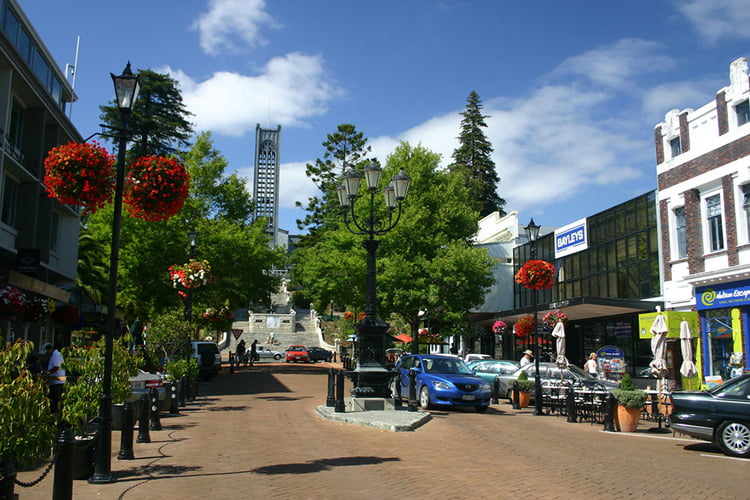
| Nelson | Nelson English Centre | A school right in the city center, in one of the sunniest regions of the country. A warm atmosphere, easy interaction with locals, and authentic immersion. Perfect for those who want to combine English lessons, a relaxed lifestyle, and a road trip through the South Island. |
| Queenstown | Language Schools New Zealand – Queenstown | Located in the city center overlooking Lake Wakatipu, in the heart of New Zealand's outdoor capital. A very international environment, ideal for practicing English daily. An excellent choice for finding employment in tourism or at nearby ski resorts (Coronet Peak, The Remarkables). |
Budget is often one of the main concerns before going to New Zealand on a Working Holiday Visa . And let's be clear: New Zealand isn't a "cheap" destination, especially in some of the major cities. But with a Working Holiday Visa, the cost of living is generally manageable , provided you adapt your pace and choices.
In New Zealand, the cost of living is generally higher than in Belgium in some areas. However, it remains consistent with income , particularly for those on Working Holiday Visas who work full-time.
In terms of food, imported and processed products are often more expensive. Local products, on the other hand, remain relatively affordable. For example, in 2026:
Fuel is also an expense to consider, especially if you're travelling. The price of petrol generally ranges from NZD 2.70 to NZD 3.00 per litre one often factored into the budget of Working Holiday Visa holders who opt for a van or car only during certain periods.
Meanwhile, salaries largely offset these expenses . New Zealand's minimum wage is among the highest in the world, making it easy to cover daily living costs while working full-time. In jobs accessible under a Working Holiday Visa (such as catering, tourism, agriculture, and logistics), it's common to be able to cover living expenses while still saving some money.
When analyzing the cost of living in New Zealand , accommodation represents by far the largest expense , especially for those on a Working Holiday Visa. It is also the expense that varies the most depending on the city and region.
In 2026, the average cost room in a shared apartment
These amounts generally include access to common areas, but utilities are not always included . Electricity, water, and internet can cost an additional NZD 20 to 40 per week , depending on the accommodation and the season.
In some agricultural or seasonal regions, accommodation may be provided or subsidized by the employer , significantly reducing the monthly budget during the work period. This is an important financial advantage for Working Holiday Visa holders who want to save money before traveling.
This expense item explains why many travellers adapt their strategy:
living in simple shared accommodation, accepting accommodation linked to a seasonal job, or alternating periods of “fixed” work and periods of travel.
Climate plays a central role when planning a Working Holiday Visa trip to New Zealand for several months. Here, we're not talking about "ideal" conditions in the postcard sense, but a stable and predictable , particularly suited to an active lifestyle over an extended period.
New Zealand enjoys a temperate oceanic climate with few extremes. Temperatures remain moderate throughout the year, making it possible to work, travel, and live outdoors without any truly disruptive periods. Unlike some Working Holiday Visa destinations where heat or cold necessitates breaks, the pace of life remains generally consistent.
In concrete terms:
This climate allows work to take place all year round , including in physical sectors such as agriculture, construction or catering, without extreme conditions to manage on a daily basis.
| Region | Dominant climate | Average temperatures | What this actually changes in a Working Holiday Visa |
|---|---|---|---|
| North Island | Soft and more moist | Winter: 10–15 °C in the city; Summer: 20–25 °C | Pleasant working conditions all year round (catering, tourism, services). Few downtime periods. |
| Auckland / North of the North Island | Temperate subtropical | Summers are sometimes hotter and more humid. Winters are very mild | A good choice for a first job or the start of a Working Holiday Visa, even in winter. |
| South Island (urban areas) | Drier, more contrasted | Summer: 20–25 °C Winter: 5–10 °C | Very pleasant for travel and work in spring/summer. Winter is cooler but manageable in the city. |
| South Island (mountainous areas) | Alpine | Mild summers ; winters: temperatures near 0°C , frequent snow | An ideal region for travel and hiking in good weather. Winter is more challenging without suitable employment. |
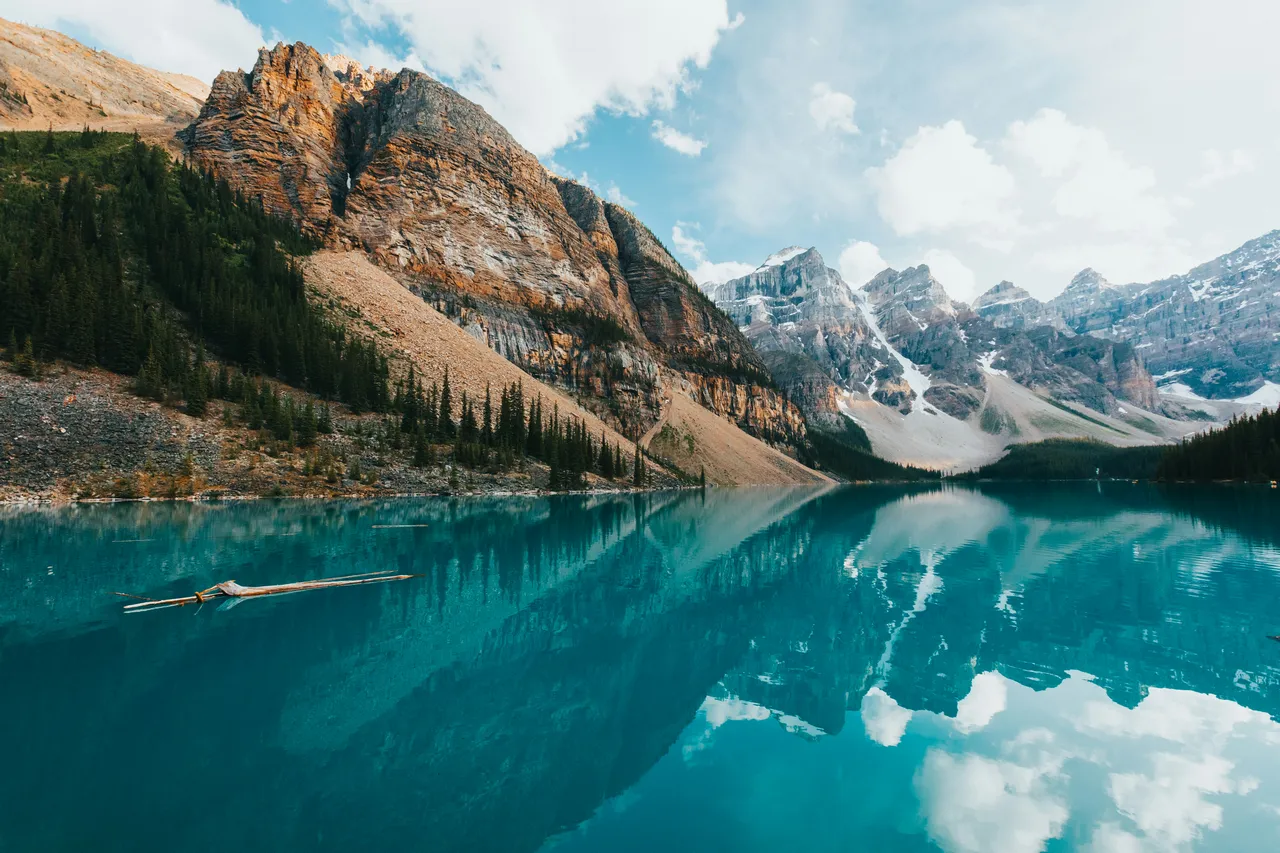
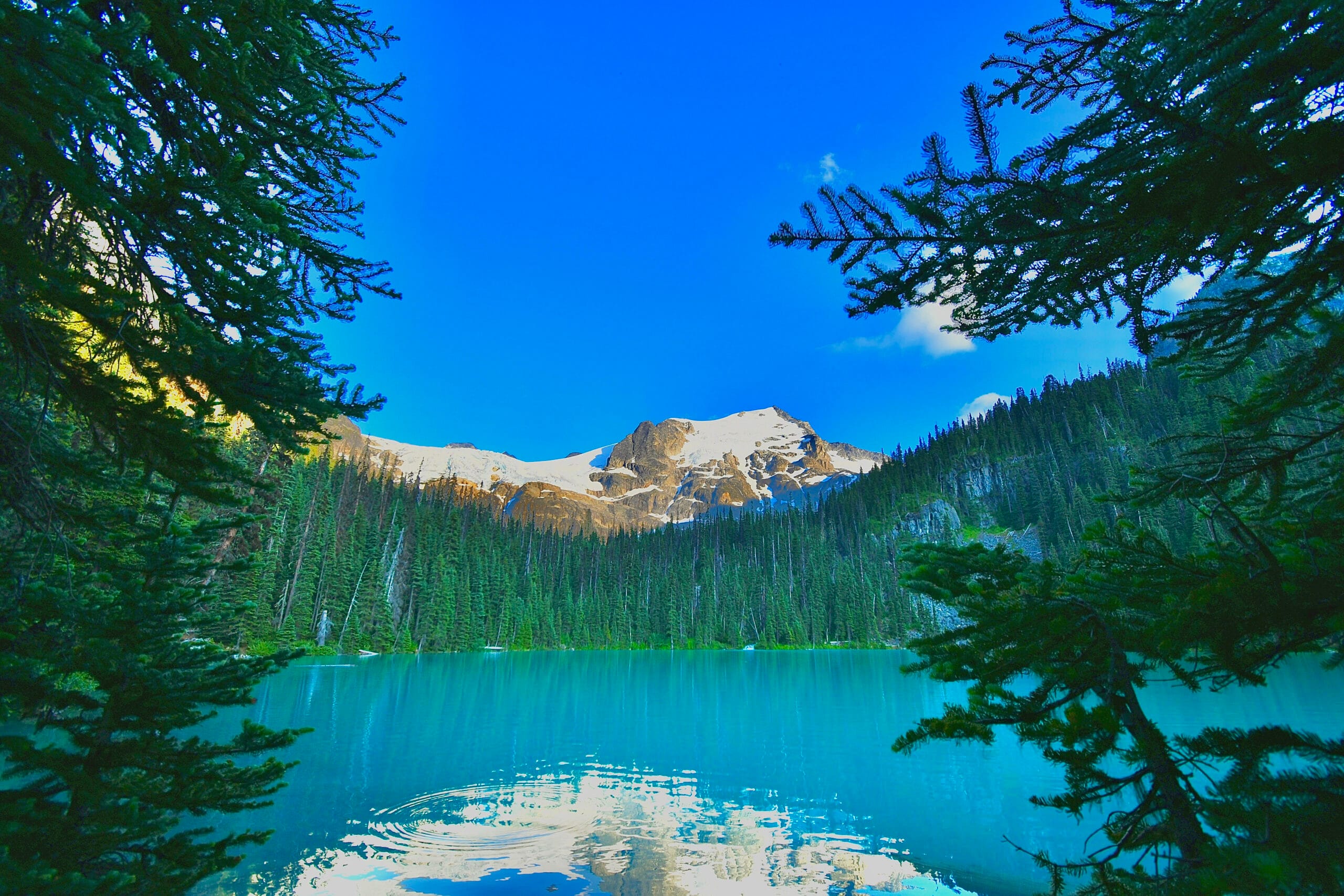
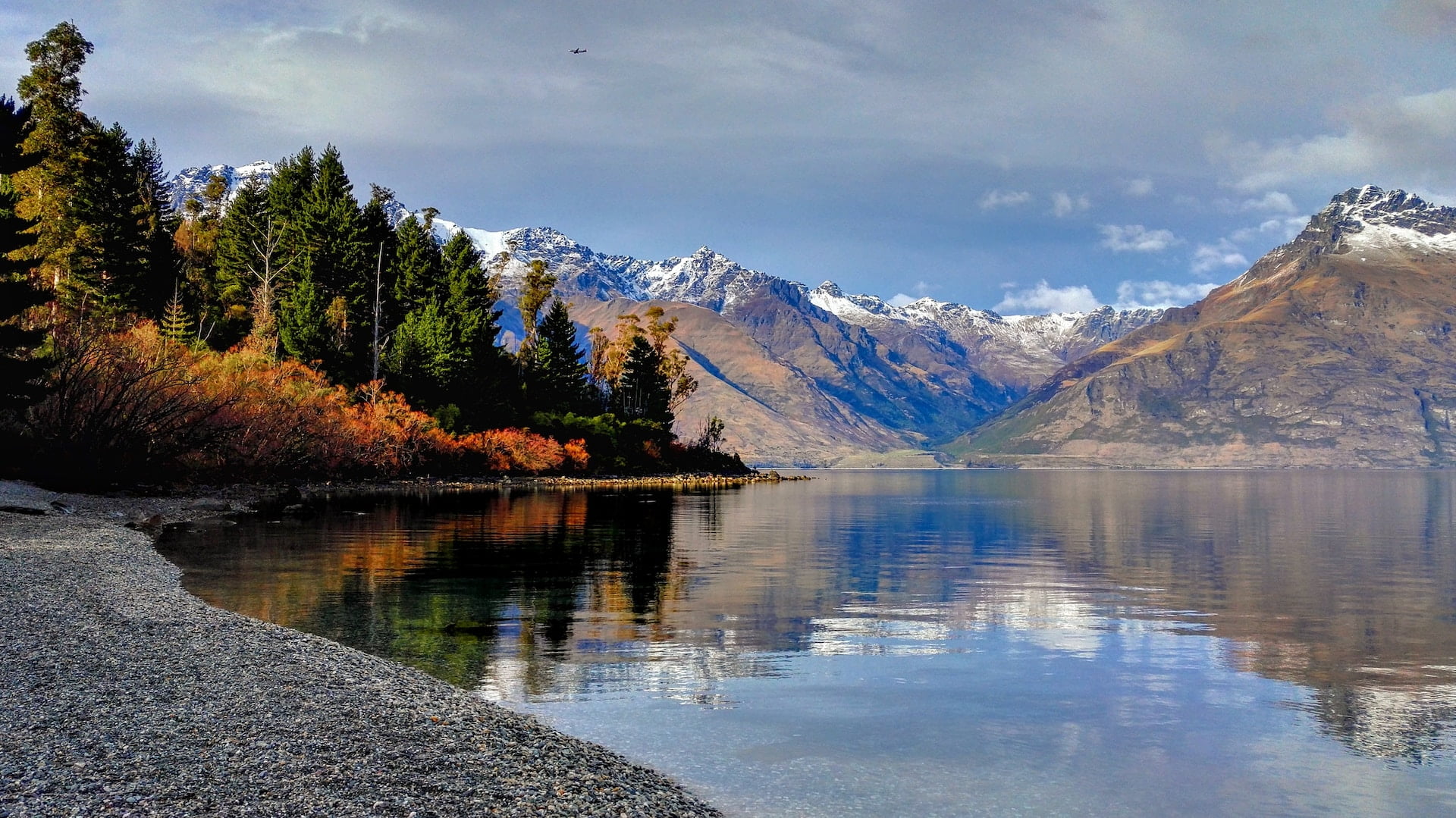
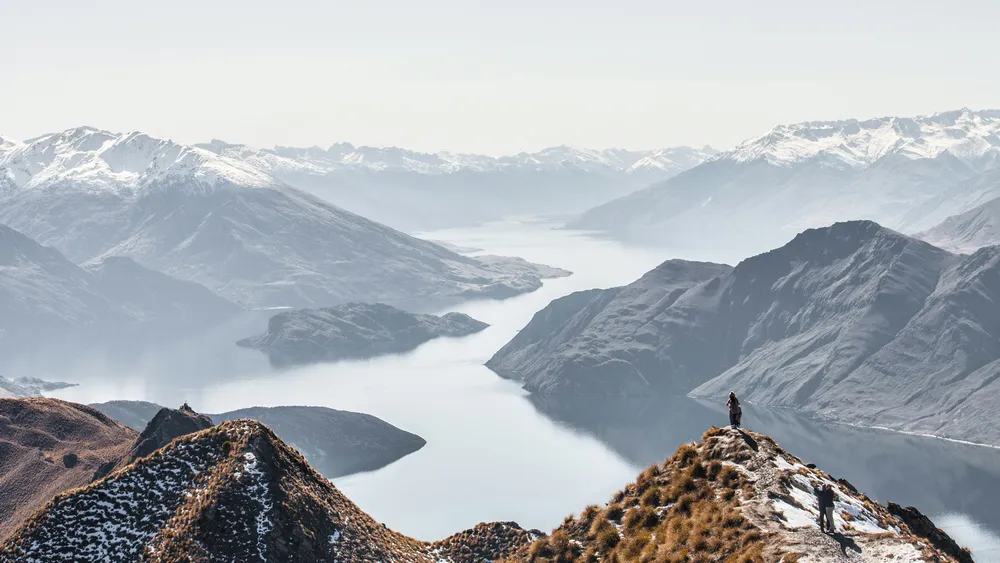
This is often what comes to mind when you think of New Zealand, and for once, it's not an exaggeration. The country offers an exceptional diversity of landscapes , concentrated in a relatively small area. For a Working Holiday Visa, this makes all the difference: you can explore a great deal without spending entire days on the road.
In New Zealand, it is possible to travel:
Even with limited time, it's easy to treat yourself to a change of scenery for a weekend or between contracts.
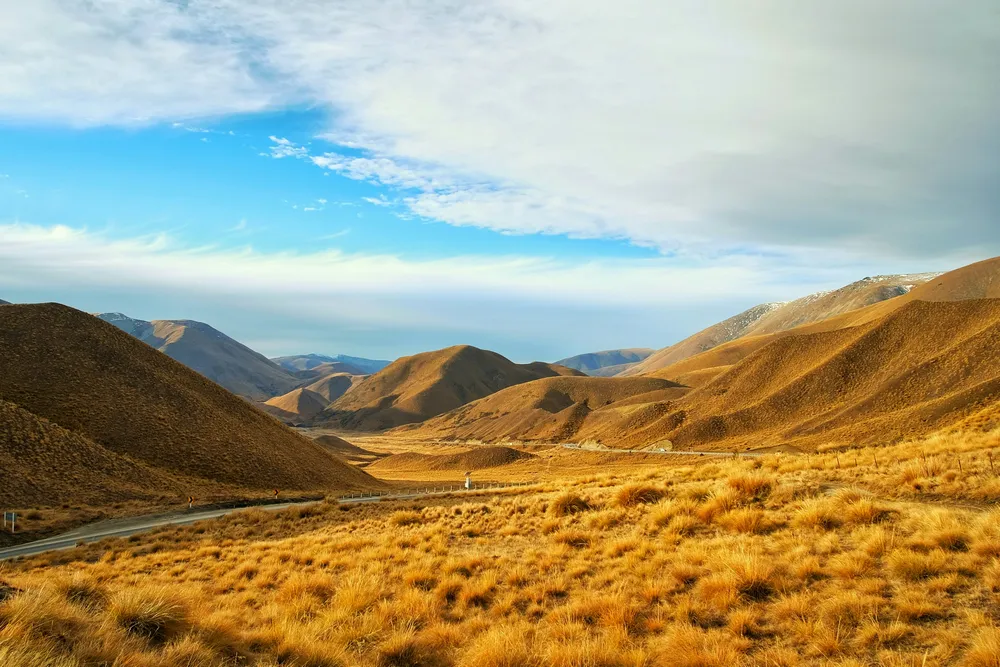
New Zealand is particularly appreciated for its easy access to outdoor activities , even on a working holiday visa budget. Here, nature isn't reserved for organized or expensive excursions: it's part of everyday life.
The country boasts 13 national parks and several thousand kilometers of marked trails. The majority of hikes are free , maintained by the Department of Conservation (DOC), and accessible without special technical equipment for the most popular routes.
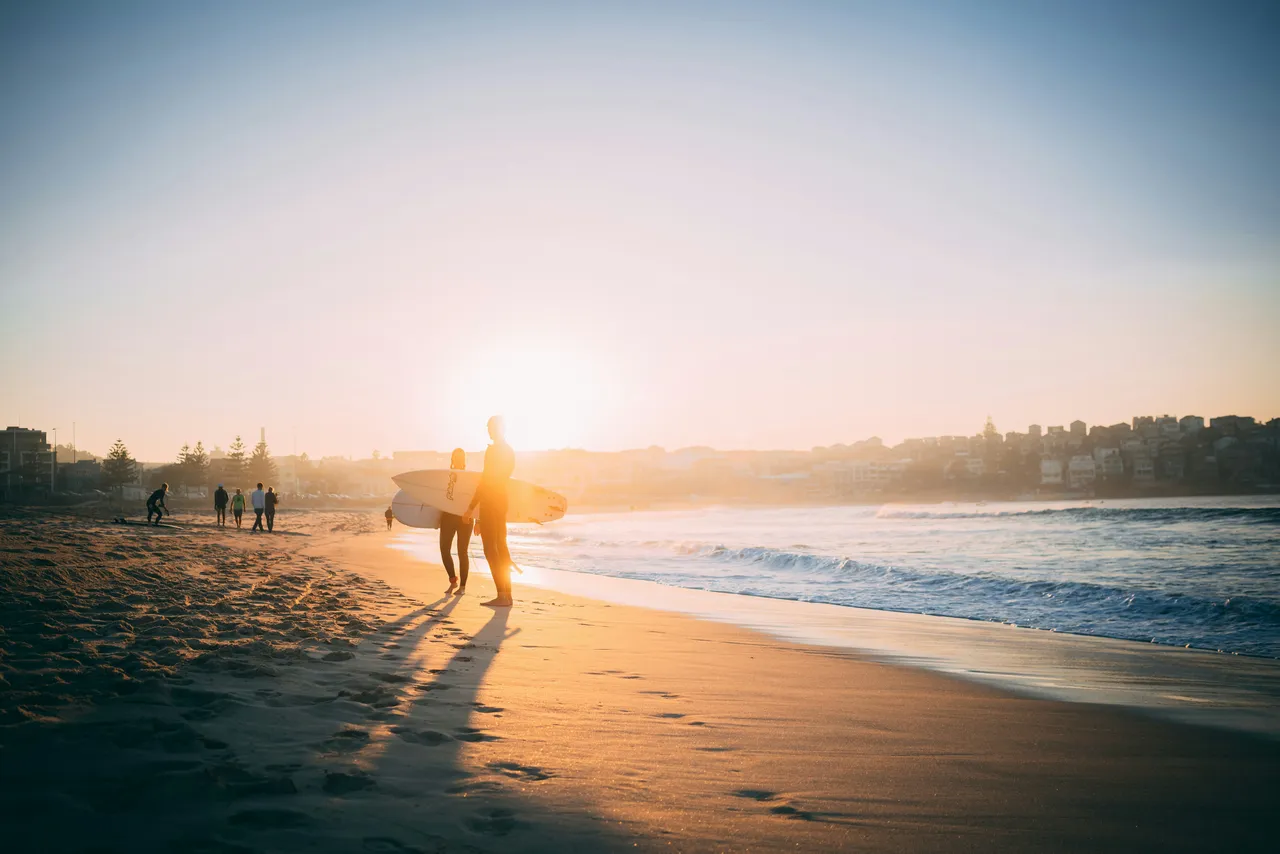
Water sports are also very popular. With over 15,000 kilometers of coastline , New Zealand offers many freely accessible beaches where it is possible to surf, kayak or swim without entrance fees.
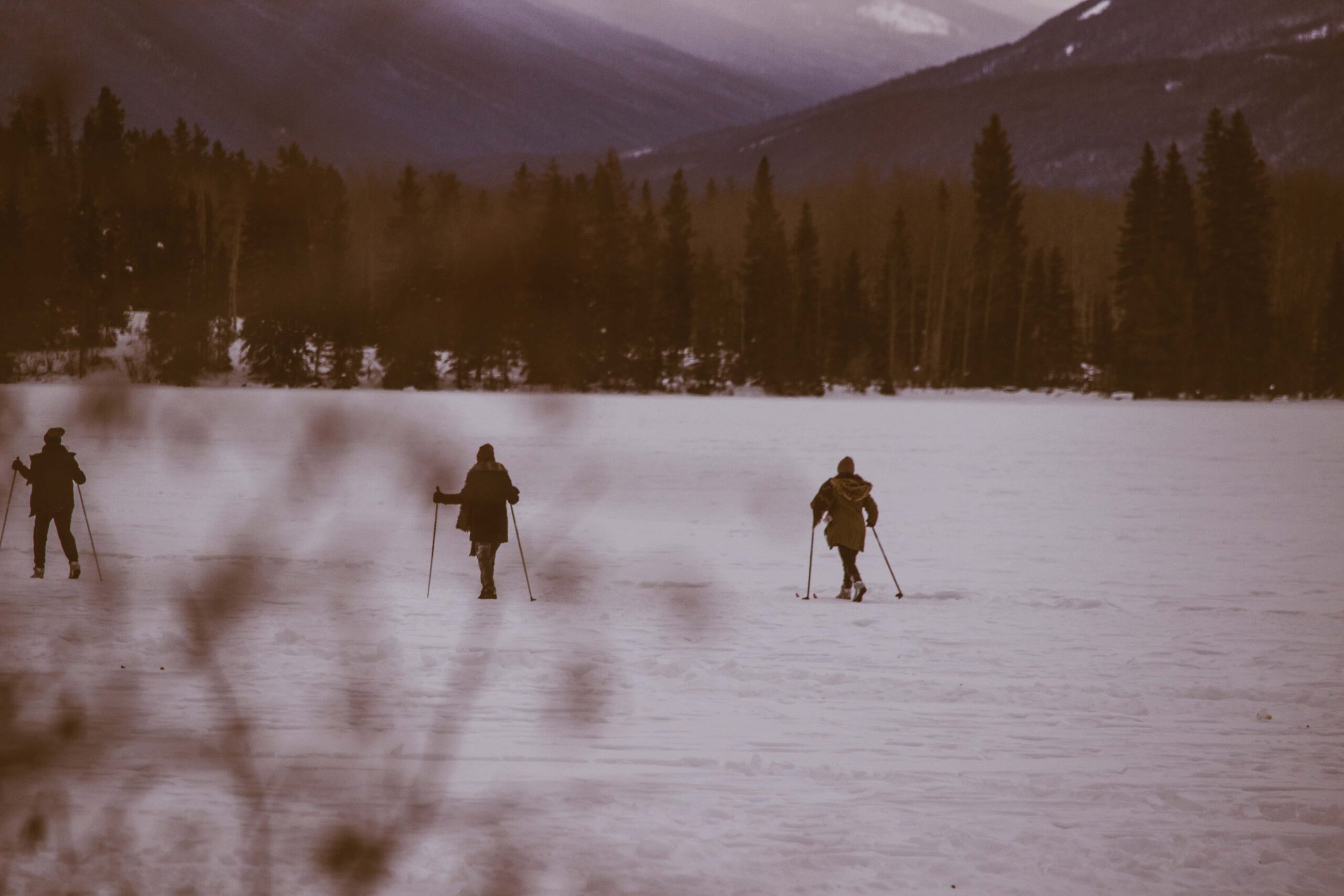
In winter, certain areas of the South Island offer opportunities for mountain sports , such as skiing or snowboarding, during limited but clearly defined periods. Again, many Working Holiday Visa holders work there seasonally, allowing them to combine employment and activity.
New Zealand is often cited as one of the best countries for van travel , and this reputation is well-deserved. For a Working Holiday Visa holder, this ease of movement profoundly changes the way you experience the country.
Unlike other Working Holiday Visa destinations such as Australia or Canada , distances in New Zealand remain relatively short . It's rare to have to drive for several days straight to reach a point of interest. In most cases, journeys take only a few hours , making travel simpler, less tiring, and more economical.
The roads are generally well-maintained, including in rural areas, and the signage is clear. Even without extensive experience driving abroad, it's easy to get the hang of it.
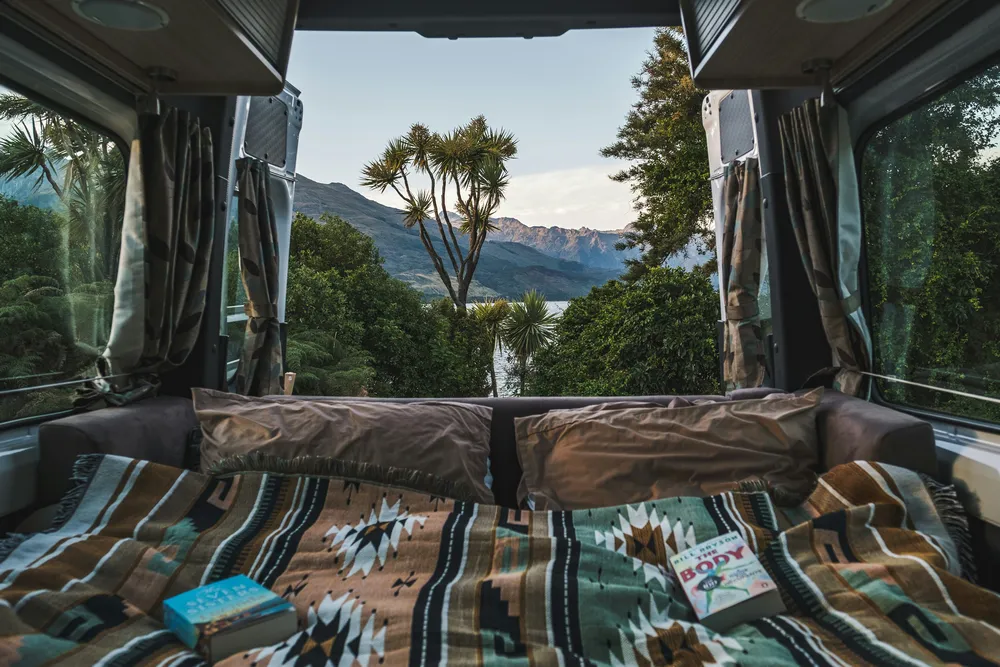
Van life is an integral part of travel culture in New Zealand, and the infrastructure reflects this. The country has an extensive network of:
This system allows for extended travel without the need for constant advance booking. For Working Holiday Visa holders, this is a major advantage: they can adapt their itinerary according to work, weather, or encounters, without rigid constraints.
For those who do not wish to drive, New Zealand remains accessible. Long-distance bus networks connect the main cities and tourist areas, and domestic flights allow for quick travel across the country, particularly between the North and South Islands.
It is therefore entirely possible to build a Working Holiday Visa without a personal vehicle, although a van remains the most flexible solution for exploring rural and natural areas.
Integration is a key issue when deciding to go to New Zealand on a Working Holiday Visa . On this point, the country clearly stands out for its cultural openness and a society accustomed to welcoming international profiles.
New Zealand is a society built on a cultural mix , blending Māori culture, European heritage, and recent immigration. Today, nearly 30% of the population was born abroad , a high figure for a country of this size. This diversity is felt daily, particularly in large cities, but also in many seasonal and tourism-related jobs.
Each year, the country welcomes tens of thousands of Working Holiday Visa holders , mainly from Europe, Asia, and South America. Employers, roommates, and institutions are therefore accustomed to Working Holiday Visa holders , which greatly reduces the feeling of being "out of place".
Culturally, New Zealand society is often described as direct, approachable, and informal . Relationships, including professional ones, are generally less hierarchical than in Europe. People readily use first names, interactions are simple, and communication is valued.
For a Working Holiday Visa holder, this greatly facilitates integration:
Going to New Zealand on a Working Holiday Visa isn't just about changing countries or accumulating experiences. For many, it's a pivotal moment . A break that allows them to slow down , refocus , and look back on their journey with more perspective .
Living abroad for several months requires a kind of stripping away of old habits . You leave behind your familiar surroundings, your comfort zone, your certainties. You learn to adapt, to make do with less, to decide for yourself. It's rarely the jobs you hold that leave the biggest mark, but rather what you learn about yourself along the way .
The Working Holiday Visa in New Zealand creates a particularly favorable context for this reflection. The more balanced pace of life, the constant connection with nature, and the genuine space afforded to free time gradually lead to a reassessment of one's priorities . One learns to work to live, and not the other way around , to move forward without a completely fixed itinerary, and to accept that a project can evolve along the way.
Many Working Holiday Visa holders return with more than just a travel journal. They gain a greater ability to adapt, a newfound confidence in their independence, and a clearer vision of what they want, or no longer want, in their personal and professional lives.
It's not always spectacular. Sometimes it happens in simple moments: a chat after work, a sunrise on the road, a decision made without external validation. But these moments leave a lasting mark.
Going to New Zealand on a Working Holiday Visa means choosing an environment that offers space: to work, travel, reflect, and grow . A country where you can move forward without pressure, experiment, sometimes make mistakes, and build your experience at your own pace.
New Zealand's appeal is no accident. Accessibility of the visa, job opportunities, quality of life, abundant nature, ease of travel... everything is in place for a balanced, seamless, and profoundly enriching Working Holiday Visa experience.

At VisaVacancesTravail.be , we support young Belgians at every stage of their project:
You can also participate in a free online information session to discover our Working Holiday Visa support solutions for New Zealand and ask all your questions before you embark on your journey. Feel free to contact us to discuss your departure .

Cities marked with an asterisk (*) are eligible for Job Assistance
Cities marked with an asterisk (*) are eligible for Job Assistance
Cities marked with an asterisk (*) are eligible for Job Assistance