
One of the first decisions involved in a Working Holiday Visa in New Zealand is choosing between the North Island and the South Island as your home for the first few weeks, or even months. The answer is far from simple, as each island has its own unique characteristics and advantages. Here are some pointers to help you make the right choice depending on when you arrive, your interests, and your travel plans.
We are often asked about the differences between the North and South Islands of New Zealand. First and foremost, there's at least one thing you can't go wrong with: they both have a lot to offer, whether it's a change of scenery, activities, or anything else. The South Island is incredible, especially for the diversity of its landscapes—the kind you imagine when you think of New Zealand. While the North Island may be (for some) less visually impressive, you'll discover Maori culture, geothermal activity, and cosmopolitan cities. New Zealand may be a small country in size, but the sheer volume and diversity of its offerings is the complete opposite. Let's now delve into the details.
How long do you intend to spend in New Zealand?
Obviously, the more time you have, the more opportunities you'll have to visit both islands. Ideally, in short! New Zealand is a vast country (about half the size of France but 1,600 kilometers long), so going for just one or two months would force you to choose and focus on a single island. If you have more time, as is the case on a Working Holiday, you'll almost certainly have the chance to see both.
Most international visitors arrive in Auckland, in the north of the North Island, and for good reason. Firstly, because the majority of airports offer Auckland as a destination. If you want to explore the North Island, this simplifies your choice. If you wish to go to the South Island, be aware that the journey by car will take several days (including the Cook Strait crossing between the islands, approximately 25 km). The best option, if you arrive in Auckland and want to explore the South, is to take a domestic flight to Christchurch or Queenstown . Another possibility is to fly to Christchurch from Belgium, although this will certainly be more expensive. Domestic flights, however, remain quite inexpensive and quick.
What time of year do you arrive in New Zealand?
If you arrive in New Zealand in spring, summer, or autumn (September to May), you'll enjoy pleasant weather no matter where you go. However, winter varies considerably between the islands. The North can be wet and stormy, but not necessarily cold. The far north of the North Island, for its part, generally remains mild. The weather on the South Island is colder and drier in winter, with plenty of snow in the far south. Undeniably, it's warmer in the North in regions like the Bay of Islands (considered subtropical, yes indeed), and even the Coromandel Peninsula .
What types of decor do you like?
North Island : mostly mountainous and volcanic (active volcanoes in the central part of the island); beaches and islands; forests and bush.
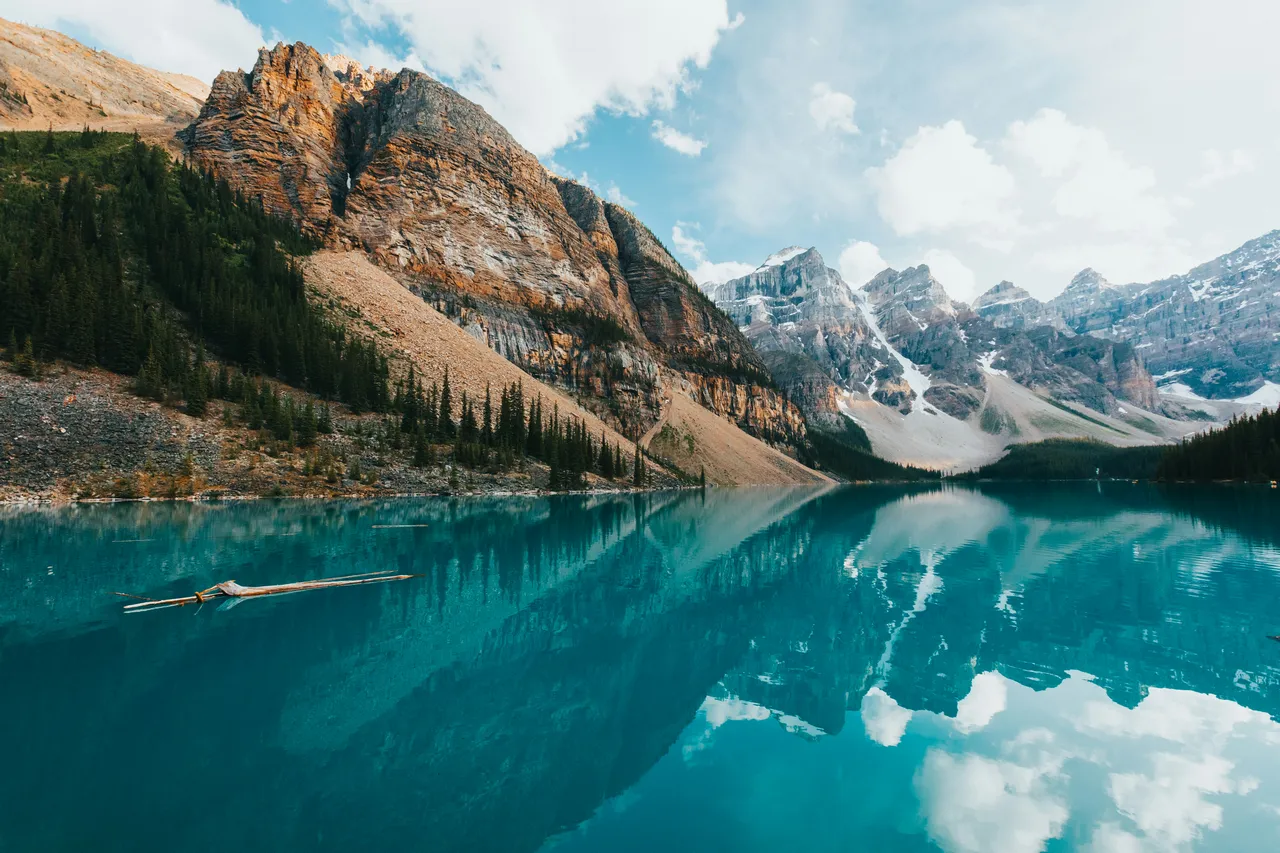
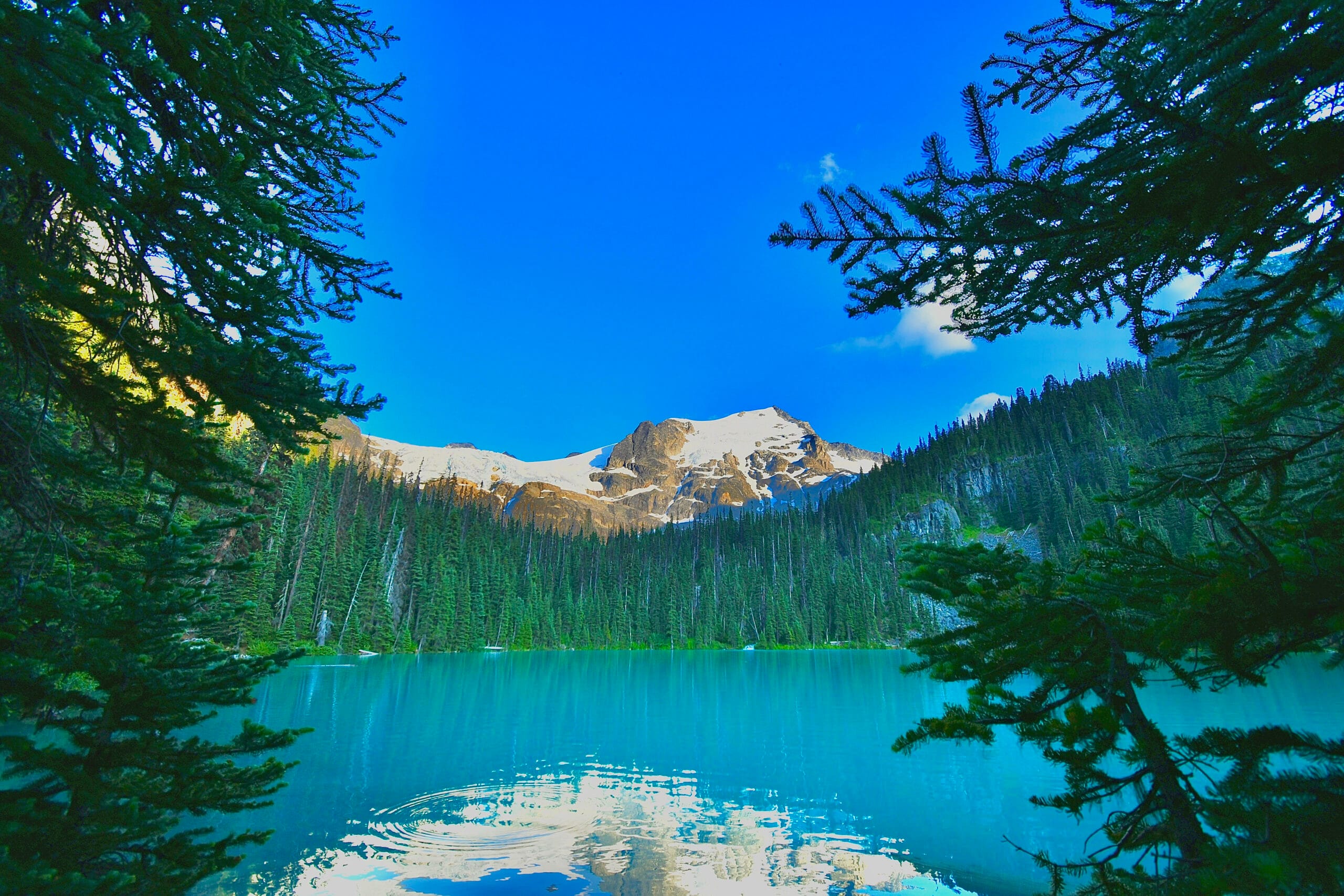
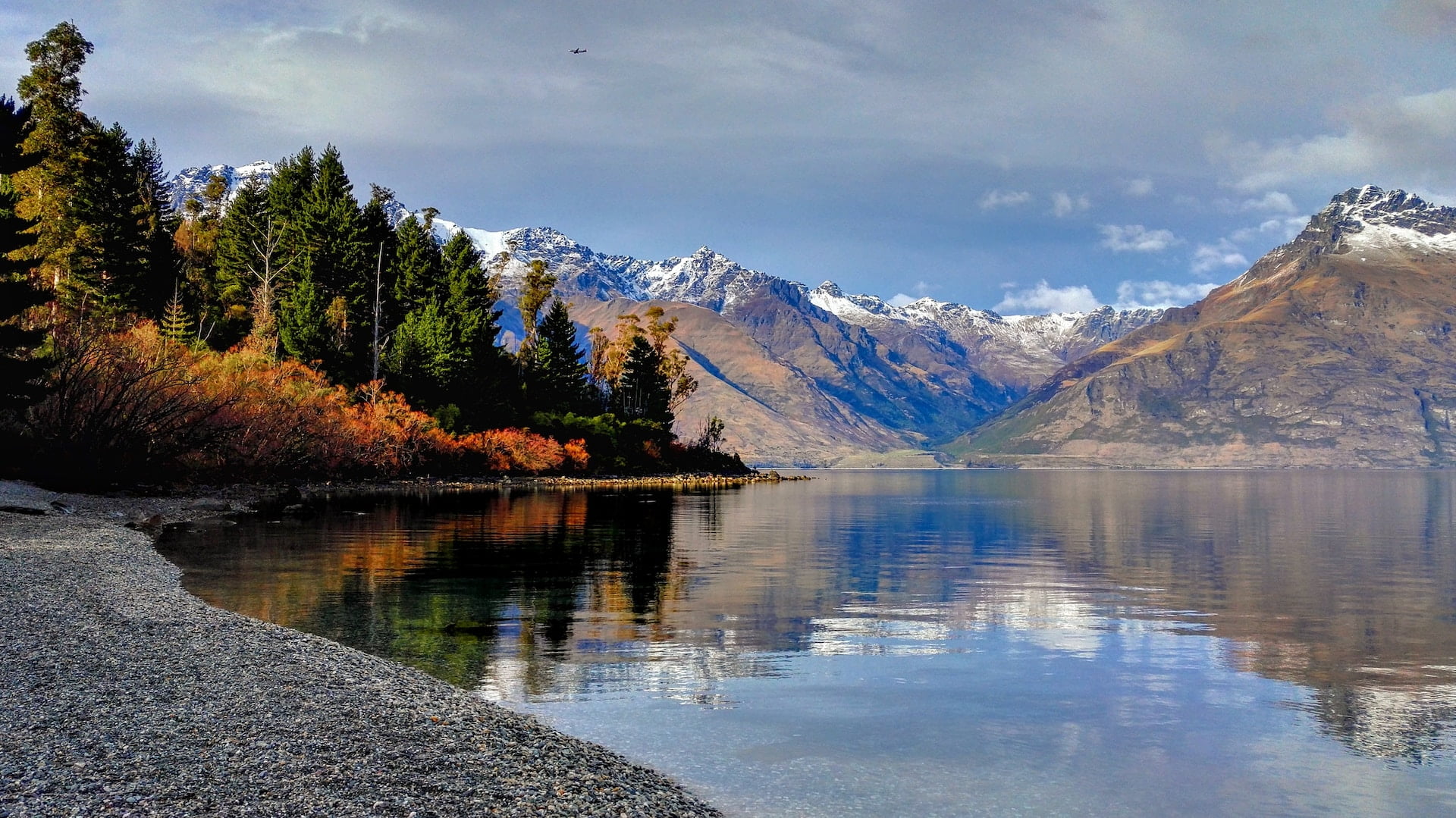
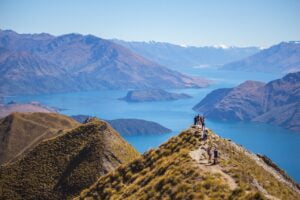
South Island: Southern Alps mountain range, snow (in winter), glaciers and lakes.
What kinds of things do you want to do in New Zealand?
North Island: water sports: sailing, diving, fishing, surfing; swimming; sunbathing; hiking; camping; urban entertainment (nightlife, gastronomy – especially in Auckland and Wellington).
South Island: Alpine sports (skiing, snowboarding, mountaineering); motor boating; rafting; kayaking; hiking.

Cities
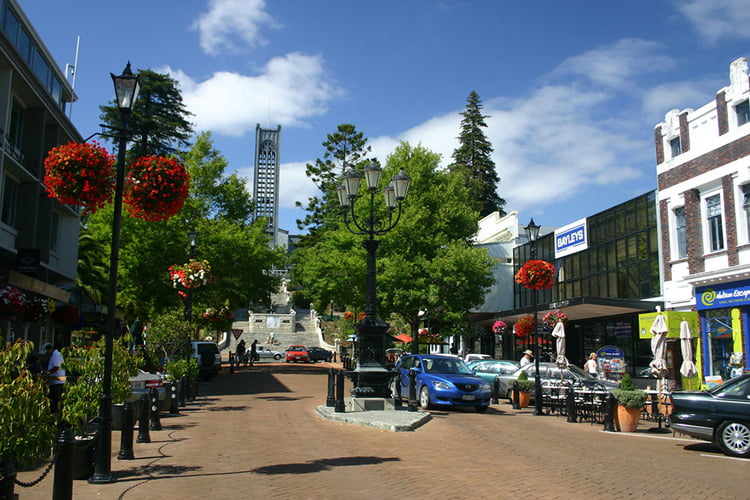
More than three-quarters of New Zealanders live on the North Island, so naturally there's more to do and more jobs too. Auckland is, of course, the main city that draws people in, while Wellington has established itself as the "coolest little capital in the Pacific." Both cities also host festivals that are sometimes lacking on the South Island. But visitors to Christchurch will see a city constantly reinventing itself, with new projects emerging all the time. And Dunedin is perhaps one of New Zealand's most underrated destinations, brimming with architectural treasures, a vibrant student population, and home to the beautiful Otago Peninsula.
Maori Culture:
While exploring the North Island, you will always be fascinated whenever you see a Marae. In the South, the Maori population is less than 10%.
Natural Wonders:
In the north, hop on a ferry and hike to Rangitoto Island – Auckland’s largest and youngest volcano. There’s also Rotorua with its bubbling mud pools and exploding geysers. For an even more extraordinary landscape, head to the Taupo Craters, a must-see geothermal destination. Activities in the south are generally cooler. You’ll find two of the Southern Hemisphere’s best ski resorts in Queenstown (Coronet Peak and The Remarkables). And the west coast is home to two glaciers: Franz Josef and Fox Glacier, two of the most accessible on foot in the world.
Adventure:
The South Island boasts the "adventure capital," Queenstown, as well as 9 of the country's 14 national parks. It also has more cycling routes, including the Central Otago Rail Trail. For wine, the North has a slight edge. In Hawke's Bay (North Island), don't hesitate to stop along the way.

Akaroa in New Zealand, a beautiful spot
In summary:
Characteristics of the North Island:
Technical characteristics of the South Island:
Are you still hesitating? The answer really depends on the type of trip you are looking for and what you want to do.
Here are 5 reasons why you should travel to the North Island and 5 reasons why you should travel to the South Island .
Our New Zealand expert's itinerary tip: Start in the North and head South as you travel. The distances are quite long, so making repeated trips back and forth wouldn't be very strategic. With less than four months, don't try to see everything—it's impossible! And finally, really consider the climate. In Auckland and Northland, you'll hardly experience the cold. In the South Island (the most beautiful region, in my opinion), you'll discover the breathtaking landscapes you've been waiting for. But winter is less comfortable, except for ski enthusiasts 🙂
Tip for traveling from south to north at the end of your trip : ask car rental agencies if they have any cars available to drive back to Auckland. Ask them if you can drive one yourself. You'll have to pay for the gas, but not the rental or mileage. Enough to make for an amazing 8-day
road trip




Cities marked with an asterisk (*) are eligible for Job Assistance
Cities marked with an asterisk (*) are eligible for Job Assistance
Cities marked with an asterisk (*) are eligible for Job Assistance